

What is Aluminum Solar Panle Frame
The solar panel frame, also known as the aluminum solar panel frame, is the most important component in solar panel assembly. An extruded aluminium frame is used to seal and secure the solar module. This aluminum frame protects the solar cells and glass from damage and breakage. Compared to other materials used to frame solar panels, aluminum framed PV panels are better protected during transportation.
Advantages of Aluminum Solar Panle Frame
Structural Support
Aluminium frames offer essential structural support to solar panels, maintaining their shape and integrity. They prevent the panels from bending, warping, or sagging due to their own weight or external factors like wind or snow loads. The solar cells produced from silicon are cut into wafers and bound with the help of EVA where a solar frame is used as the support that ensures the solar panels remain in an optimal position and function effectively over their lifespan.
Mechanical Stress Resistance
Solar panels have to bear various forms of mechanical stress during transportation, installation, and operation. Frames act as a protective shield, absorbing and dispersing stresses, preventing damage to the PV module’s sensitive components such as the photovoltaic cells, glass, and wiring.
Corrosion Resistance
Aluminium frames possess corrosion resistance properties which make them an ideal choice for solar frames for outdoor applications and protecting them from moisture, humidity and harsh atmosphere. Aluminium is thus considered the best choice for the solar frame manufacturers.
Enhanced Longevity
Aluminium frames contribute significantly to the longevity of solar panels. Also as discussed above, these frames reduce the risk of moisture ingress, which could lead to corrosion or electrical malfunctions. This protection helps maintain the structural integrity of the entire solar panels, extending their lifespan.
Weather Protection
Solar panels are installed in the outside weather and it has to face exposure to harsh environmental conditions. Solar Frames here act as a barrier, shielding the edges and providing an extra layer of protection against moisture, humidity, and other weather-related factors. This protection prevents potential damage to internal components, ensuring the panels remain operational in various climates.
Facilitates Installation
Aluminium is not only cost-effective but also lightweight and is designed with mounting holes or attachment points that facilitate secure installation. These features ensure proper alignment and positioning of panels on rooftops, grou0nd mounts, or other mounting structures, making the installation process efficient and reliable.


Why Choose Us
Our Factory
Shandong Jinchang Aluminum Industry Co., Ltd. A number of internationally advanced aluminium profile production lines have been built, with an annual production capacity of 200,000 tonnes. Jinchang Aluminium is equipped with large automatic vertical oxidation and electrophoresis lines in Asia, fully automatic vertical storage and other intelligent production systems for industrial lightweight development.
Advanced Equipment
Jinchang Aluminium is equipped with large automatic vertical oxidation and electrophoresis lines in Asia, fully automatic vertical storage and other intelligent production systems for industrial lightweight development.
Our Certificate
We are certificated by ISO 9001: 2008, factory is reliable and quality is guaranteed.
After-Sales Service
Professional quality inspectors to Ensure the quality and compliance of your products.
Professional staff to match custom colors for you, we can make samples for you if you need.
Professional mold development capabilities.
Professional aluminum manufacturer experience, more than 15 years.

6063-T5 and 6063-T6 alloys have similar compositions but differ in their temper or heat treatment conditions. The “T5” and “T6” designations indicate the tempering process that the aluminum has undergone to achieve specific mechanical properties.
6063-T5: This temper involves the artificial aging of the aluminum alloy after extrusion. It provides good strength and hardness, making it suitable for solar panel frames that need to withstand various loads and environmental conditions.
6063-T6: This temper involves a solution heat treatment process followed by artificial aging. It results in increased strength and hardness compared to T5 temper, making it ideal for solar panel frames that require higher structural integrity and load-bearing capabilities.
What Material is Used in Aluminum Solar Panle Frame?
Anodized Aluminum Solar Panel Frames
Most high-quality solar panels will feature an anodized aluminum frame and using this material has numerous benefits. Most importantly, it has the ability to reflect more heat, helping to improve the overall conversion efficiency of a solar cell. Anodized aluminum is also easy to maintain. You can periodically clean it to restore its appearance. The material isn’t affected by sunlight and will often withstand scratches better than powder coated alternatives.
Powder Coating Solar Panel Frames
Solar panels comprising of a powder coated aluminum frame are ideal for those who prefer style over function. Most frames of this type come in black and blend in better with dark roof tiles. They can, however, come in a wide variety of colors to match different elements of a new or existing building. You can even achieve either a gloss, matt, or satin finish with the powder coating technique.
Anodized aluminum is a non-conductive material which caused no interruption in the normal functioning of solar panes. It has a high level of tensile strength to resist winds, snow, and other natural elements. This form of aluminum, compared to regular aluminum is not adversely affected by scorching temperatures. Therefore, they do not bend under continual exposure from the hot sun.
Anodized aluminum solar frame panels do not rust even in wet and considerably damp condistions. The material is highly resistant to envrionmental corrosive factors. This frame type can prove quite essential in protecting a solar pane's components from lightning damage.
Transporting and mounting solar panels becomes easier with an anodized aluminum frame covering. The solar Photovoltaic (PV) cells and EVA encapsulant layers of a solar panel setup are also supported by such frames. Damage caused by dust, dirt, and pollution is also reduced with this frame type.
Extruded Aluminum Profile for Aluminum Solar Panel Frame
T-profile
Capability to offer both support and stability.
L-profile
Providing edge protection for panels.
Z-profile
Used to attach the mounting frame to roofs.
U-channel
Used for cable management in panel system, ensuring efficient installation.
H profile
Construct the frames and supports of solar panels.
T-slot
Primary structural component in solar panel supports with flexible design options.
Factors to Consider When Selecting Aluminum Solar Panle Frame
Define Your Requirements: Determine your specific requirements for the aluminum profiles. Consider factors such as the intended application, load-bearing capacity, thermal insulation needs, aesthetic preferences, and any specific industry standards or certifications that may be required.
Assess Material Quality: Check the material grade of the aluminum solar panle frames. High-quality profiles often use standardized aluminum alloy grades such as 6061, 6063, or 6082. Verify if the profiles are made from pure aluminum or if they are alloyed with other elements to enhance their properties.
Physical Inspection: Physically inspect the aluminum solar panle frames to evaluate their quality. Look for smooth and uniform surfaces, free from visible defects like scratches, dents, or irregularities. Check the dimensions and tolerances to ensure they meet your specifications.
Surface Treatment and Coating: Examine any surface treatments or coatings applied to the aluminum solar panle frames. Anodized or powder-coated finishes are common for enhanced protection and aesthetics. Assess the quality and durability of the coating, ensuring it is uniform and resistant to corrosion, fading, and scratching.
Structural Integrity: Assess the strength and structural integrity of the aluminum solar panle frames. Consider their load-bearing capacity, rigidity, and resistance to deformation. Profiles with proper heat treatment and extrusion techniques tend to exhibit better structural properties.
Compatibility and Compatibility and Flexibility: The aluminum solar panle frame must be compatible with your solar panels and mounting system. Ensure the frame’s width and height align with the dimensions of your solar panels. Select a frame that is compatible with the mounting system used for your installation, whether it’s roof clamps or ground stakes. Consider frames with adjustable legs or brackets that allow for precise positioning and alignment of the solar panels.
Cost Comparison: When it comes to choosing the right material for aluminum solar panel frames, cost is a major consideration. The cost of aluminum frames varies depending on the thickness, size, and design. However, aluminum frames are generally more cost-effective than other materials such as steel or wood. This is because aluminum is lightweight, easy to work with, and requires less maintenance.
Manufacturing Process of Aluminum Solar Panle Frame
Aluminum Extrusion: The journey begins with the aluminum extrusion process, where aluminum alloys are meticulously formed through a die to create the desired cross-sectional shape of the frame. This initial step sets the stage for achieving precise dimensions and profiles tailored to the specifications of the solar panel design.
Precision Cutting and Machining: Following extrusion, the aluminum profiles undergo precision cutting and machining procedures to refine their lengths and contours. Advanced machining techniques, including milling and drilling, are employed to ensure the creation of intricate features such as mounting holes and assembly interfaces.
Surface Treatment and Coating: To enhance durability and resistance to environmental elements, the aluminum frames undergo surface treatment processes. Anodizing, powder coating, or chemical treatments are applied to the surfaces, providing corrosion protection and augmenting aesthetic appeal.
Integration of Auxiliary Components: Integral to the assembly process is the integration of auxiliary components such as corner brackets, sealing gaskets, and fastening hardware. These components are meticulously positioned and affixed to the aluminum frame, ensuring structural robustness and compatibility with solar panel assembly.
Rigorous Quality Assurance Protocols: At each stage of production, stringent quality assurance protocols are implemented to uphold industry standards and product excellence. Dimensional accuracy, material integrity, and surface finish are meticulously evaluated through comprehensive testing methodologies to ensure compliance with stringent performance requirements.
Advanced Finishing Techniques: In the pursuit of exceptional quality and aesthetics, advanced finishing techniques are employed to elevate the visual appeal of the aluminum frames. Customized finishes, including textured coatings and decorative treatments, are applied to impart a distinctive appearance while preserving functional integrity.
Installation and Mounting Options for Aluminum Solar Panle Frame
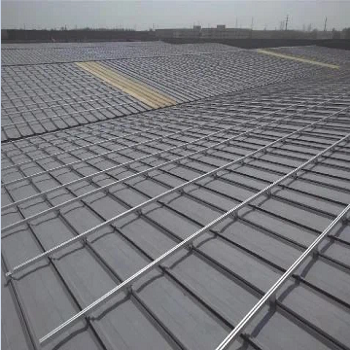
Roof mounting is the most common method for solar panel installation, as it maximizes the available space on residential and commercial rooftops. Solar aluminum frames are securely attached to the roof using various types of mounts, such as rail-based systems or ballasted systems. Rail-based systems use aluminum or steel rails that are attached to the roof, providing a sturdy and adjustable base for the solar panels. On the other hand, ballasted systems do not require any roof penetrations and use weighted frames to keep the panels in place. Both options offer stability and flexibility in panel placement while minimizing the risk of damage to the roof.
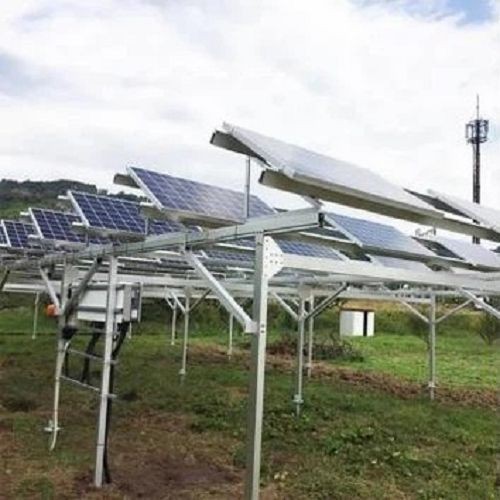
For properties without suitable roof spaces or for larger installations, ground-mounted systems are an excellent alternative. These systems consist of solar aluminum frames that are secured on the ground using foundations or ballasts. Ground-mounted systems allow for optimal positioning and orientation of the solar panels, ensuring maximum sunlight exposure throughout the day. They also provide easier access for maintenance and cleaning, as the panels are installed at ground level. With the ability to tilt and adjust the panels, ground-mounted systems can achieve greater energy production than roof-mounted systems.
Carports and canopies offer a dual benefit by providing shelter for vehicles or outdoor areas while simultaneously harnessing solar energy. These systems feature solar aluminum frames integrated into the structure, providing a seamless and aesthetically pleasing solution. Carport and canopy mounting systems are particularly popular in commercial settings, such as parking lots and outdoor event spaces. They not only generate clean and sustainable energy but also provide shade and protection from the elements. With customizable designs and sizes, these systems can be tailored to meet specific energy needs and architectural requirements.
How To Maintain Aluminum Solar Panle Frame



Regular Inspection
Regular inspections are the key to keeping your aluminum solar panel frames in good condition. Inspect the frames every few months for signs of corrosion, wear, or damage. Look for any loose bolts, nuts, or screws, and tighten them if necessary. Check the frame for any signs of oxidation or discoloration, which could indicate corrosion.
Cleaning
Aluminum solar panel frames should be cleaned regularly to remove dirt, dust, and other contaminants that can damage the frame. Use a mild soap and water solution and a soft cloth to gently clean the frames. Avoid using harsh chemicals or abrasive cleaners, as these can damage the frame’s finish. Rinse the frames thoroughly with clean water after cleaning.
Lubrication
Lubricating the moving parts of your aluminum solar panel frames can help to reduce wear and tear and extend their lifespan. Use a dry lubricant, such as graphite or Teflon, to lubricate the bolts, nuts, and screws. This will help to keep the parts moving smoothly and prevent them from rusting or seizing up.
Rust Prevention
Corrosion is one of the biggest enemies of aluminum solar panel frames. To prevent corrosion, apply a rust-resistant coating to the frames every few years. This will help to protect the frames from the elements and keep them looking their best.
Monitoring
In addition to regular maintenance, it is important to monitor the condition of your aluminum solar panel frames over time. Look for any signs of wear, tear, or damage that could affect the frame’s performance or safety. If you notice any problems, contact a qualified solar installer to have them repaired or replaced as soon as possible.
Repair
If you find any damage to your aluminum solar panel frames, it is important to repair it as soon as possible. Small cracks or dents can be repaired with epoxy or other repair kits. Larger repairs may require the replacement of the entire frame. A qualified solar installer can help you to determine the best course of action.
FAQ
As one of the leading aluminum solar panle frame manufacturers and suppliers in China, we warmly welcome you to buy high quality aluminum solar panle frame for sale here from our factory. For customized service, contact us now.
Profile Solar, Solar Panel